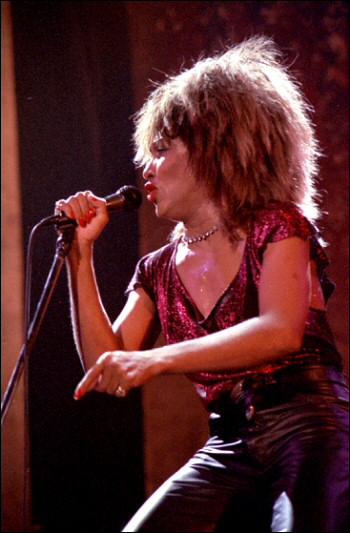
Miriam Makeba
World • Johannesburg, South Africa
Miriam Makeba
Early Life and Career Beginnings
Zenzile Miriam Makeba was born on March 4, 1932, in Prospect township near Johannesburg, South Africa, to Xhosa and Swazi parents. Her childhood was marked by hardship—her father, a teacher, died when she was six years old, and her mother was imprisoned for six months when Miriam was just eighteen days old for brewing and selling umqombothi, a traditional beer. Despite these challenges, Makeba showed exceptional vocal talent from an early age, singing in church choirs in multiple languages including English, Xhosa, Sotho, and Zulu. She was heavily influenced by her family's musical heritage, with her mother playing traditional instruments and her father performing with a group called The Mississippi 12.
Professional Rise in South Africa
Makeba began her professional career in the early 1950s, joining the all-male Cuban Brothers before moving to the Manhattan Brothers at age 21, where she was the only female vocalist. With them, she recorded her first hit, "Lakutshn, Ilanga" in 1953, and developed a national reputation. In 1956, she joined the Skylarks, an all-woman group performing jazz and traditional South African melodies. Her 1956 solo recording "Lovely Lies" became the first South African record to chart on the US Billboard Top 100. In 1959, Makeba appeared in the anti-apartheid film "Come Back, Africa," which garnered international attention and led to performances in Venice, London, and New York City.
International Breakthrough and Activism
After her film appearance, Makeba moved to New York in 1959, where she quickly gained prominence in jazz clubs and received strong critical reviews. She signed with RCA Victor and released her debut studio album in 1960. Her most famous recording, "Pata Pata," released in 1967, became a worldwide hit and is described as a "groundbreaking Afropop gem." Collaborating extensively with mentor Harry Belafonte, she won a Grammy Award for Best Folk Recording in 1966 for "An Evening with Belafonte/Makeba." Following the Sharpeville massacre in 1960, her South African passport was cancelled, forcing her into exile. She testified before the United Nations in 1962 and 1964 against apartheid, and her music was subsequently banned in South Africa, making her a global symbol of resistance to racial oppression.
Exile and Continued Influence
Makeba's marriage to Black Panther leader Stokely Carmichael in 1968 caused her popularity in the US to decline dramatically among white audiences, leading to visa revocation and relocation to Guinea in 1968. She remained in exile for 15 years, performing extensively throughout Africa at independence ceremonies and recording songs explicitly critical of apartheid, including "Soweto Blues" written by Hugh Masekela in response to the 1976 uprising. She later moved to Belgium in 1985 and participated in Paul Simon's Graceland Tour in 1987, releasing the album "Sangoma" that same year. After apartheid ended, she returned to South Africa in June 1990 and continued recording and performing, notably releasing "Eyes on Tomorrow" in 1991 with Dizzy Gillespie and Nina Simone, and appearing in the 1992 film "Sarafina!"
Legacy and Final Years
Named a Goodwill Ambassador for the Food and Agriculture Organization of the United Nations in 1999, Makeba established the Makeba Centre for Girls, an orphanage, and advocated for children with HIV/AIDS. She released over 30 albums throughout her career, pioneering world music and Afropop genres while bringing African music to Western audiences. Known for her dynamic vocal range and ability to sing in multiple African languages while refusing to sing in Afrikaans, she became an iconic style figure, popularizing the "Afro look" with her natural hair and African jewelry. Makeba collapsed during a concert in Castel Volturno, Italy, on November 9, 2008, suffering a heart attack after performing "Pata Pata," at age 76. Her death marked the end of an extraordinary career dedicated to music, activism, and cultural diplomacy.
Quotes
“people say I sing politics, but what I sing is not politics, it is the truth”
“In our struggle, songs are not simply entertainment for us. They are the way we communicate.”
“I've never seen a country that did what Sékou Touré did for artists.”
“When Afrikaaners sing in my language, then I will sing theirs.”
“There wasn't much difference in America; it was a country that had abolished slavery but there was apartheid in its own way.”
“Africans who live everywhere should fight everywhere. The struggle is no different in South Africa, the streets of Chicago, Trinidad or Canada. The Black people are the victims of capitalism, racism and oppression, period”
Career Timeline
FAO Goodwill Ambassador
Named Goodwill Ambassador of the Food and Agriculture Organization of the United Nations, expanding her humanitarian advocacy work.
Eyes on Tomorrow Album
Released studio album with Dizzy Gillespie, Nina Simone, and Hugh Masekela, which became a hit across Africa and led to world tour.
Return to South Africa
After 30 years in exile, returned to South Africa on June 10, 1990, following apartheid's dismantlement, in a highly celebrated homecoming.
Graceland Tour
Embarked on Paul Simon's highly successful Graceland Tour, breaking the cultural boycott of South Africa but reestablishing her international presence.
Soweto Blues Performance
Performed Hugh Masekela's 'Soweto Blues' in response to the Soweto uprising, establishing herself as a major voice against apartheid violence.
Marriage to Stokely Carmichael
Marriage to Black Panther leader caused dramatic decline in popularity among white Americans and resulted in visa revocation and forced relocation to Guinea.
Pata Pata Release
Released as a single after over a decade, 'Pata Pata' became her most famous song and a worldwide hit, establishing her as a major international artist.
Grammy Award
Won Grammy Award for Best Folk Recording alongside Harry Belafonte for 'An Evening with Belafonte/Makeba,' raising her profile significantly in the US.
Kennedy Appearance and Recognition
Performed at President John F. Kennedy's birthday party at Madison Square Garden, cementing her status as a prominent international performer.
First UN Testimony Against Apartheid
Testified before the United Nations Special Committee against Apartheid about the effects of the system, requesting economic sanctions and arms embargo against South Africa.
US Debut and Exile
Made US television debut on The Steve Allen Show with 60 million viewers and released her debut studio album with RCA Victor. Simultaneously, her South African passport was cancelled, forcing her into permanent exile.
Come Back, Africa Film Appearance
Brief but impactful cameo in the anti-apartheid film brought international recognition and led to performances across Venice, London, and New York City.
First Solo Success
Her recording 'Lovely Lies' became the first South African record to chart on the US Billboard Top 100, establishing her international presence.
First Hit Recording
Recording of 'Lakutshn, Ilanga' with the Manhattan Brothers marked her first hit and established her as a developing national musician in South Africa.
Birth of Daughter Sibongile
Makeba gave birth to her only child, Sibongile 'Bongi' Makeba, in 1950. She was married to James Kubay at age 17 and shortly after was diagnosed with breast cancer.