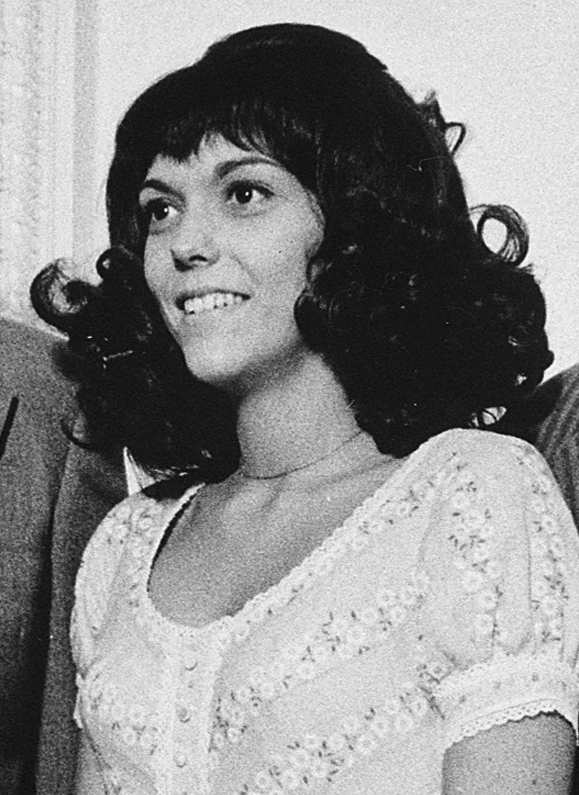
Tabu Ley
Pop • Bandundu, Democratic Republic of the Congo
Tabu Ley Rochereau
Early Life and Musical Beginnings
Pascal-Emmanuel Sinamoyi Tabu was born on November 13, 1940, in Bagata, Belgian Congo. His musical career launched in 1956 when he joined Joseph "Le Grand Kallé" Kabasele's band L'African Jazz as a vocalist. Tabu Ley's breakthrough came in 1960 when he sang on the pan-African hit "Indépendance Cha Cha," composed by Grand Kallé to commemorate Congolese independence from Belgium. This recording propelled him to instant continental fame and established him as a significant voice in African music.
Musical Innovation and Band Leadership
In 1963, Tabu Ley partnered with guitarist Dr. Nico Kasanda to form African Fiesta, pioneering a revolutionary fusion of Congolese folk music with Cuban, Caribbean, and Latin American rumba elements. This collaboration became foundational to the development of African rumba as a distinct genre. When the partnership dissolved two years later, Tabu Ley established African Fiesta National (also known as African Fiesta Flash), which became one of Africa's most successful bands. The group recorded African classics including "Afrika Mokili Mobimba" and achieved record sales exceeding one million copies by 1970. Notable musicians such as Papa Wemba and Sam Mangwana emerged from this ensemble.
Orchestre Afrisa International and Peak Influence
In 1970, Tabu Ley founded Orchestre Afrisa International, named after combining "Africa" with his record label Éditions Isa. Alongside Franco Luambo's TPOK Jazz, Afrisa became one of Africa's greatest musical ensembles. The band produced hits including "Sorozo," "Kaful Mayay," "Aon Aon," and "Mose Konzo," and performed at the legendary Zaire 74 festival, appearing in the documentary "Soul Power." In the mid-1980s, Tabu Ley discovered M'bilia Bel, a talented singer and dancer who became the first female soukous singer to gain pan-African acclaim. They married and had a daughter named Melody Tabu. Following M'bilia Bel's departure in 1988, Tabu Ley introduced vocalist Faya Tess but gradually lost commercial ground as audiences shifted toward faster soukous versions.
Exile and International Expansion
Under Mobutu Sese Seko's regime and as part of the "Zairization" campaign, Tabu Ley adopted his stage name. In 1988, he went into exile in France. After the Congolese government banned foreign music from national radio in 1985, Tabu Ley's composition "Twende Nairobi," performed by M'bilia Bel in praise of Kenyan president Daniel arap Moi, prompted the ban's removal. In the early 1990s, he settled in Southern California and attended Moorpark College, tailoring his music for international audiences by incorporating English lyrics and international dance styles including Samba. This period produced successful albums such as "Muzina," "Exil Ley," "Africa Worldwide," "Babeti Soukous," and "Man from Kinshasa." The Mobutu regime banned his 1990 album "Trop, C'est Trop" as subversive. In 1996, he contributed to the album "Gombo Salsa" with the Africando salsa project.
Political Career and Legacy
Following Mobutu's deposition in 1997, Tabu Ley returned to Kinshasa and served as cabinet minister under President Laurent Kabila. After Kabila's death, he joined the transitional parliament and later served as Vice-Governor of Kinshasa (2005) and provincial minister of culture. Tabu Ley died on November 30, 2013, aged 73, at Saint-Luc hospital in Brussels following complications from a stroke suffered in 2008. His funeral received official state honors, and he was buried on December 9, 2013, at Cimetière Acropolic de la N'sele in Kinshasa. During his career, Tabu Ley composed approximately 3,000 songs and produced 250 albums. In 2023, Rolling Stone ranked him 178th on its list of the 200 Greatest Singers of All Time. He has been described as "the Congolese personality who, along with Mobutu, marked Africa's 20th century history" and was dubbed "the African Elvis" by the Los Angeles Times.
Career Timeline
Rolling Stone Recognition
Ranked 178th on Rolling Stone's list of the 200 Greatest Singers of All Time, recognizing his historical significance.
Vice-Governor Appointment
Appointed Vice-Governor of Kinshasa and provincial minister of culture.
Return from Exile
Returned to Kinshasa following Mobutu's deposition and took cabinet minister position in Laurent Kabila's government.
American Relocation
Settled in Southern California where he attended Moorpark College and adapted music for international audiences.
Album Ban
Album "Trop, C'est Trop" banned by Mobutu regime as subversive political content.
Exile to France
Went into exile in France, continuing musical career while avoiding political pressures of Mobutu regime.
Government Radio Ban Lifted
Composed "Twende Nairobi," which when performed by M'bilia Bel, led to lifting of government ban on foreign music from national radio.
Zaire 74 Performance
Performed at legendary Zaire 74 music festival, appearing in the documentary film "Soul Power."
Orchestre Afrisa International Founded
Established Orchestre Afrisa International, which became one of Africa's greatest ensembles alongside Franco Luambo's TPOK Jazz.
Million-Copy Album Milestone
African Fiesta National achieved record sales exceeding one million copies, establishing dominance in African music market.
Solo Band Formation
After splitting with Dr. Nico Kasanda, established African Fiesta National (African Fiesta Flash), which became one of Africa's most successful bands.
Formation of African Fiesta
Partnered with guitarist Dr. Nico Kasanda to form African Fiesta, pioneering the fusion of Congolese folk music with Cuban and Latin American rumba.
Breakthrough Success
Sang on pan-African hit "Indépendance Cha Cha" commemorating Congolese independence from Belgium, achieving instant continental fame.
Musical Career Launch
Began professional singing career with Joseph "Le Grand Kallé" Kabasele's band L'African Jazz at age 16.