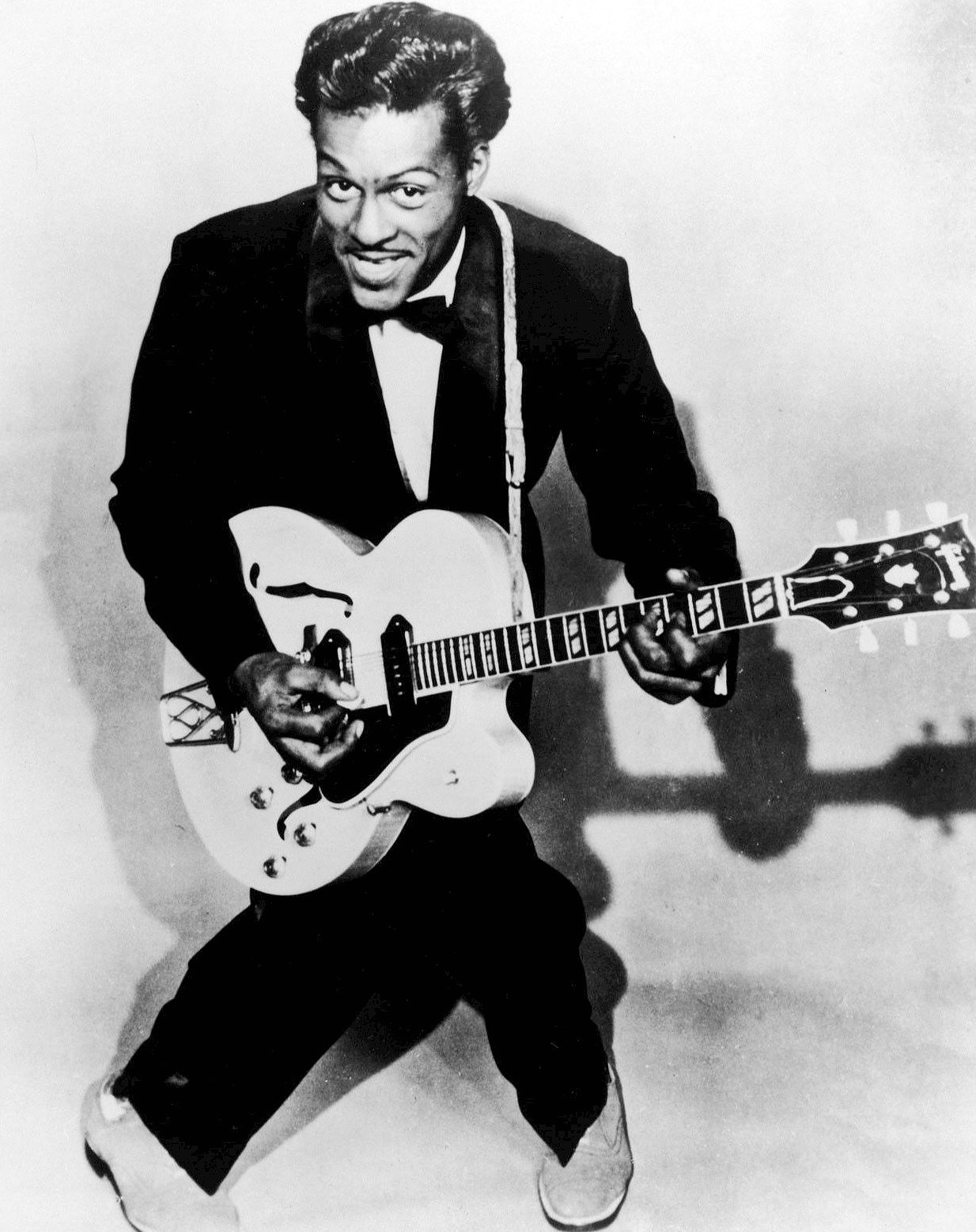
Otis Redding
Blues, Soul • Dawson, United States
Otis Redding
Early Life and Musical Beginnings
Otis Ray Redding Jr. was born on September 9, 1941, in Dawson, Georgia, as the fourth of six children and first son of Otis Redding Sr. and Fannie Roseman. When Redding was three years old, his family relocated to Macon, Georgia, settling in Tindall Heights, a predominantly African-American public housing project. From an early age, Redding demonstrated exceptional musical talent, singing in the Vineville Baptist Church choir and learning guitar and piano. By age ten, he had begun formal drum and singing lessons. During his high school years at Ballard-Hudson High School, Redding performed in the school band and earned $6 weekly by performing gospel songs for local radio station WIBB, establishing himself as a young performer in Macon's music scene.
Redding cited Little Richard and Sam Cooke as primary musical influences, crediting Little Richard with inspiring his entry into the music business. At age fifteen, recognizing his family's financial hardship following his father's tuberculosis diagnosis, Redding left high school to support his household, working as a well digger, gasoline station attendant, and occasional musician. His breakthrough moment came in 1958 when he won fifteen consecutive weeks of a talent contest hosted by disc jockey Hamp Swain, performing Little Richard's "Heebie Jeebies" with guitarist Johnny Jenkins. This connection led to Redding joining Pat T. Cake and the Mighty Panthers, and subsequently the Upsetters, Little Richard's backing band, where he performed on the Chitlin' Circuit throughout the American South.
Rise to Prominence
Redding's professional recording career began in earnest when he drove Johnny Jenkins to a 1962 Stax Records session in Memphis. Though initially meant only as a driver, an unproductive Jenkins session prompted studio chief Jim Stewart to allow Redding to perform. His rendition of "These Arms of Mine," featuring Steve Cropper on piano, impressed Stewart profoundly. Released in October 1962, the single became a significant success, selling over 800,000 copies and establishing Redding's foundation at Stax Records. His debut album, "Pain in My Heart" (1964), introduced audiences to his powerful vocal style, though initial popularity remained concentrated within African-American communities.
Throughout the mid-1960s, Redding's artistic scope expanded considerably. His 1965 album "Otis Blue: Otis Redding Sings Soul" marked a creative breakthrough, featuring the soul standard "Respect" and a poignant cover of Sam Cooke's "A Change Is Gonna Come." In 1966, Redding recorded "Try a Little Tenderness," originally composed in 1932, which became widely considered his signature song. Jim Stewart observed that this performance "sums up Otis and what he's about," capturing the essence of his artistic identity. The song peaked at number 25 on the Billboard Hot 100 and number 4 on the R&B chart, demonstrating Redding's increasing crossover appeal.
Musical Style and Innovation
Redding's hallmark was his raw, emotionally powerful voice combined with an ability to convey profound feeling through both uptempo party songs and aching ballads. Music critics noted his "hoarse, gritty vocals" and "brassy arrangements," while his delivery called to mind "a fervent black preacher." Booker T. Jones described Redding's singing as energetic and emotional, though with limited vocal range. His early stage presence was notably stationary, with movement concentrated in his upper body, yet audiences responded powerfully to his authentic emotional expression. Redding's songwriting philosophy favored simplicity and directness; he famously stated that simple blues tunes possessed unmatched beauty and that complicated music caused audiences to disengage. His final recorded song, "(Sittin' On) The Dock of the Bay" (1967), co-written with Steve Cropper, marked a departure into more introspective, wistful territory, exploring themes of despair rather than his typical exultant style.
Career Peak and Legacy
Redding's pivotal moment arrived at the June 1967 Monterey Pop Festival, where his energetic closing performance on Saturday night served as the turning point in his career. Despite performing primarily for black audiences until that moment, his electrifying thirty-minute set captivated rock audiences, featuring "Respect," "I've Been Loving You Too Long," and "Try a Little Tenderness." Musicians including Brian Jones and Jimi Hendrix were captivated by his performance, establishing Redding as commercially viable within the mainstream white American market.
Redding achieved substantial wealth through his music career, earning approximately $35,000 weekly from performances by 1967 and amassing a collection of 200 suits and 400 pairs of shoes. He reinvested his success into the "Big O Ranch," a 300-acre Georgia property, and founded production companies including Jotis Records and Redwal Music. Tragically, on December 10, 1967, Redding died in a plane crash near Madison, Wisconsin, just days after recording "(Sittin' On) The Dock of the Bay." Released posthumously in January 1968, the song became his only number-one single on the Billboard Hot 100 and the first posthumous number-one record in U.S. chart history, selling approximately four million copies worldwide.
Quotes
“I would not be here without Little Richard and I entered the music business because of Richard – he is my inspiration. I used to sing like Little Richard, his rock 'n' roll stuff ... My present music has a lot of him in it.”
“Basically, I like any music that remains simple and I feel this is the formula that makes soul music successful. When any music form becomes cluttered and/or complicated you lose the average listener's ear. There is nothing more beautiful than a simple blues tune. There is beauty in simplicity whether you are talking about architecture, art or music.”
“I got to go, y'all, I don't wanna go.”
Career Timeline
Rock and Roll Hall of Fame Induction
Inducted into Rock and Roll Hall of Fame, with name declared synonymous with soul music arising from black American experience through gospel and R&B transmission.
Posthumous Number-One Single
"(Sittin' On) The Dock of the Bay" released January 1968, becoming Redding's only number-one single on Billboard Hot 100 and first posthumous number-one in U.S. chart history.
Monterey Pop Festival Performance
Performed as closing act on Saturday night (second day) of influential Monterey Pop Festival in June 1967. Electric 30-minute set served as decisive career turning point, establishing mainstream white American market viability.
King & Queen Release with Carla Thomas
Released duet album "King & Queen" with Carla Thomas in March 1967. Album became certified gold record and charted at number 5 on Billboard Pop chart.
Final Recording Session
Recorded "(Sittin' On) The Dock of the Bay" with Steve Cropper in early December 1967, just days before fatal plane crash. Song inspired by Beatles' "Sgt. Pepper's" album represented departure into more introspective style.
Whisky a Go Go Performance
Performed at prestigious Los Angeles venue Whisky a Go Go, receiving critical acclaim including positive Los Angeles Times reviews. Performance established Redding as viable artist for rock audiences in western United States.
Try a Little Tenderness Release
Recorded "Try a Little Tenderness," a 1932 standard, establishing it as his signature song. Song peaked at number 25 on Billboard Hot 100 and number 4 on R&B chart.
European Tour Debut
Led Stax Records artists on European tour starting March 1966, performing in London, Paris, and other major cities. Tour demonstrated growing international appeal beyond American audiences.
Critical Breakthrough with Otis Blue
Released "Otis Blue: Otis Redding Sings Soul" in September 1965, featuring "Respect" and "A Change Is Gonna Come." Album recognized as creative breakthrough and first great long-form work.
Debut Album Release
"Pain in My Heart" released in March 1964, reaching number 103 on Billboard 200 and number 11 on R&B charts. Album established Redding's foundation with African-American audiences.
Stax Records Signing and First Hit
Recorded "These Arms of Mine" at unscheduled Stax session while driving Johnny Jenkins. Single released by Volt Records in October 1962, eventually selling over 800,000 copies and establishing Redding at Stax.
Breakthrough Talent Contest Victory
Won fifteen consecutive weeks of Hamp Swain's talent contest at Roxy and Douglass Theatres in Macon, earning $5 weekly. This victory led to connection with guitarist Johnny Jenkins and professional band opportunities.