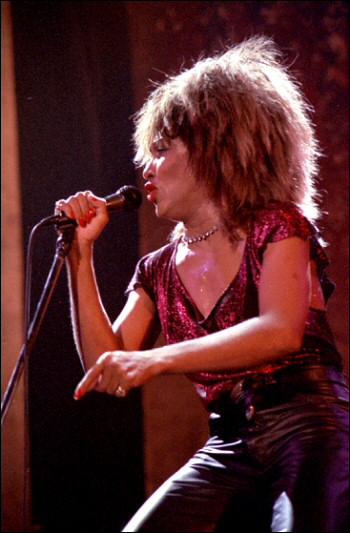
John Lennon
Experimental, Pop, Rock • Liverpool, United Kingdom
John Lennon
Early Life and Formation of The Beatles
John Winston Ono Lennon was born on 9 October 1940 in Liverpool, England, to Alfred Lennon, a merchant seaman, and Julia Stanley. His childhood was marked by parental separation and tragedy. After his parents' split in 1946, Lennon was raised by his aunt Mimi Smith in Woolton, though his mother Julia remained influential in his early musical development, introducing him to Elvis Presley and teaching him banjo. Julia's death in 1958, struck by a car at age 44, profoundly traumatized the teenage Lennon and became a major creative inspiration throughout his life.
Lennon's musical career began in 1956 when, at age 15, he formed the Quarrymen, a skiffle group named after his school. In 1957, he met Paul McCartney at a church garden fête performance, and McCartney joined the band. George Harrison followed as lead guitarist, and Stuart Sutcliffe as bassist. The group evolved into The Beatles in 1960, completing their iconic four-piece lineup when Ringo Starr replaced Pete Best as drummer in 1962. Under manager Brian Epstein's guidance, The Beatles achieved unprecedented international fame following their 1964 appearance on The Ed Sullivan Show.
Musical Innovation and Cultural Impact
As The Beatles' co-lead vocalist, rhythm guitarist, and primary lyricist alongside McCartney, Lennon helped revolutionize popular music. The Lennon-McCartney songwriting partnership became the most successful in history, yielding countless classics. Lennon's innovative contributions included "Strawberry Fields Forever," which he later cited as his finest work with the band, and "All You Need Is Love," which became an anthem for the anti-war movement and 1960s counterculture. His experimental approach accelerated during the studio years, particularly with the landmark 1967 album "Sgt. Pepper's Lonely Hearts Club Band" and the double album "The Beatles" (1968), showcasing increasingly sophisticated lyrics and production techniques.
Beyond music, Lennon expanded into other media, appearing in the 1967 film "How I Won the War" and authoring two books of nonsense writings and drawings: "In His Own Write" (1964) and "A Spaniard in the Works" (1965). In 1969, he married Japanese multimedia artist Yoko Ono and formed the Plastic Ono Band, initiating a controversial bed-in for peace protest against the Vietnam War. The couple released experimental avant-garde albums and collaborated on numerous artistic projects throughout the 1960s and 1970s.
Solo Career and Later Years
Lennon left The Beatles on 20 September 1969, though the departure wasn't publicly announced until April 1970. His solo career produced some of his most celebrated work, beginning with "John Lennon/Plastic Ono Band" (1970), which featured deeply personal lyrics exploring childhood trauma and social commentary. The 1971 album "Imagine" included the title track, which became a defining anti-war anthem and remains one of the most recognizable songs in popular music. Other significant solo singles included "Give Peace a Chance" (1969), "Instant Karma!" (1970), and "Happy Xmas (War Is Over)" (1971).
After moving to New York in 1971, Lennon faced a three-year deportation attempt by the Nixon administration due to his anti-Vietnam War activism. He and Ono separated from 1973 to 1975 during his "lost weekend" period, during which he collaborated with Harry Nilsson and achieved his only number-one solo single in America, "Whatever Gets You thru the Night" (1974), featuring Elton John. Following a five-year hiatus devoted to fatherhood and family life after Sean Lennon's birth in 1975, he returned to recording in 1980 with the album "Double Fantasy," co-created with Ono.
Legacy and Assassination
John Lennon was assassinated on 8 December 1980 at age 40 when Mark David Chapman shot him outside his home, The Dakota, in New York City. His posthumous legacy is immense: as a performer, writer, or co-writer, he achieved 25 number-one singles on the Billboard Hot 100. "Double Fantasy" won the 1981 Grammy Award for Album of the Year, and he was inducted into the Songwriters Hall of Fame (1997) and Rock and Roll Hall of Fame twice—as a member of The Beatles (1988) and as a solo artist (1994). In 2002, he was voted eighth in a BBC poll of the 100 Greatest Britons, while Rolling Stone ranked him the fifth-greatest singer of all time. His influence on popular music, social activism, and cultural discourse remains unparalleled.
Quotes
“I meant it ... It was me singing 'help'”
“We're more popular than Jesus now – I don't know which will go first, rock and roll or Christianity”
“I started the band. I disbanded it. It's as simple as that”
“A part of me would like to be accepted by all facets of society and not be this loudmouthed lunatic poet/musician. But I cannot be what I am not”
“Well, it was almost a love affair, but not quite. It was never consummated. But it was a pretty intense relationship”
Career Timeline
Return to Music with Double Fantasy
Emerged from five-year hiatus to release 'Double Fantasy' with Yoko Ono in November; won Grammy Award for Album of the Year in 1981.
Assassination
Shot and killed by Mark David Chapman on 8 December 1980 outside The Dakota in New York City, three weeks after Double Fantasy's release, at age 40.
Birth of Sean Lennon
Sean Lennon was born on Lennon's 35th birthday, leading him to retire from music for five years to focus on fatherhood and family.
Number One Chart Success
Achieved his only solo number-one single on the US Billboard Hot 100 during his lifetime with 'Whatever Gets You thru the Night,' featuring Elton John.
Imagine Album and NYC Move
Released the album 'Imagine' including the iconic title track; moved to New York City where he became deeply involved in anti-war activism.
Solo Debut Album Release
Released 'John Lennon/Plastic Ono Band,' his highly acclaimed solo debut featuring introspective lyrics and establishing his successful solo career.
Plastic Ono Band Formation and Bed-In
Lennon married Yoko Ono, formed the Plastic Ono Band, and organized the two-week bed-in for peace protest against the Vietnam War.
Left The Beatles
On 20 September 1969, Lennon left The Beatles to pursue a solo career, though the departure remained private until McCartney's public announcement in April 1970.
Summer of Love Anthem
Lennon's 'All You Need Is Love' performed to 400 million viewers as Britain's contribution to the Our World satellite broadcast; became peace movement anthem.
Beatles Appointed MBE
The Beatles received recognition from the British establishment when appointed Members of the Order of the British Empire in the 1965 Queen's Birthday Honours.
US Breakthrough and Book Publication
The Beatles' historic appearance on The Ed Sullivan Show marked their breakthrough to international stardom; Lennon also published 'In His Own Write,' a collection of nonsense writings.
Beatles First Single
The Beatles released their first single 'Love Me Do' in October 1962, reaching No. 17 on the British charts and launching their rise to prominence.
The Beatles Formation
The Quarrymen evolved into The Beatles in early 1960 with Lennon, McCartney, Harrison, and Sutcliffe; the group became the most influential band of the 20th century.
Met Paul McCartney
Lennon met Paul McCartney at the Quarrymen's performance at St Peter's Church garden fête on 6 July, leading to a songwriting partnership that became the most successful in music history.
Formation of The Quarrymen
At age 15, Lennon formed the Quarrymen, a skiffle group named after his school, marking the beginning of his professional music career.