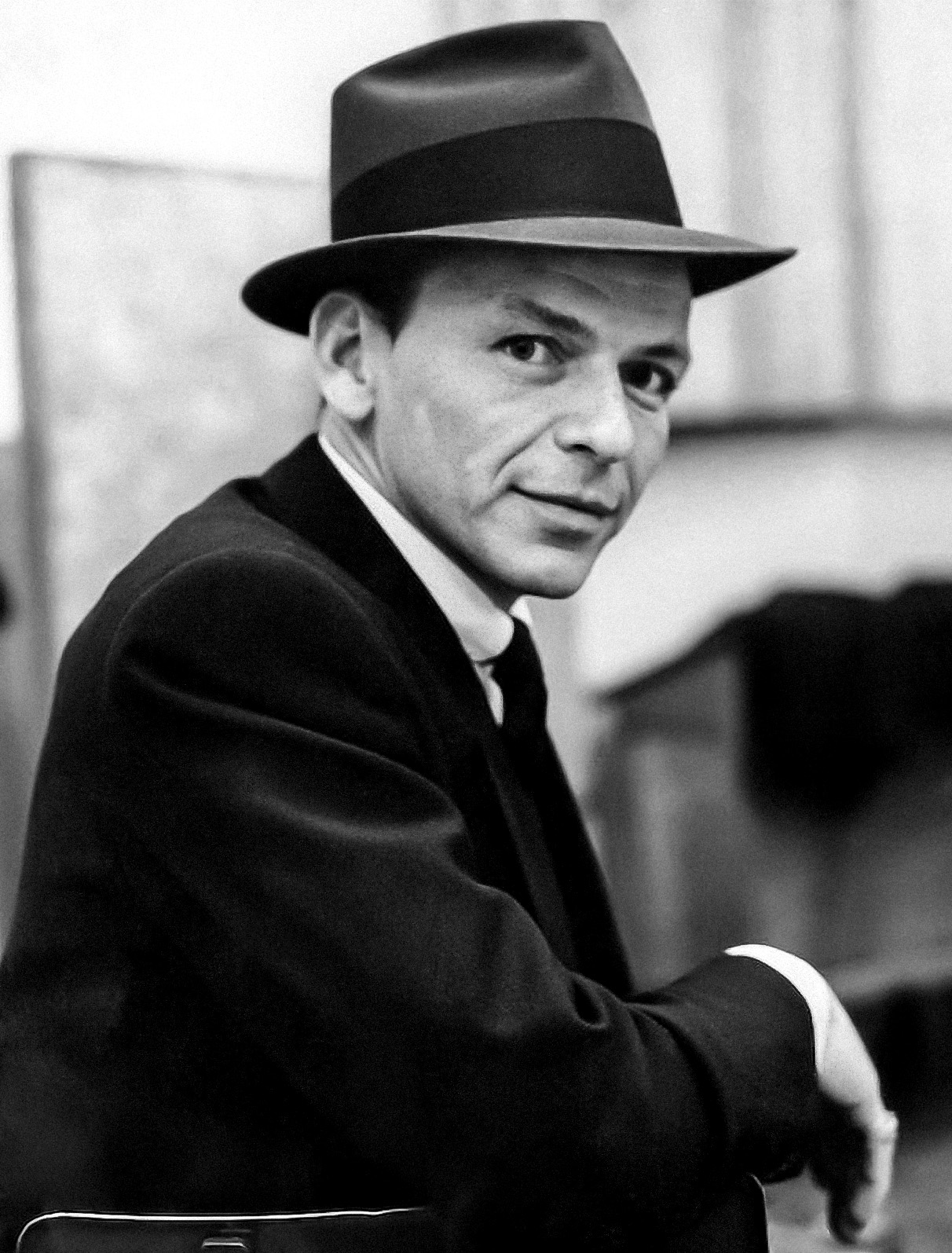
Fela Kuti
Jazz • Ogun, Nigeria
Fela Kuti
Early Life and Formation
Fela Aníkúlápó Kútì was born Olufela Olusegun Oludotun Ransome-Kuti on October 15, 1938, in Abeokuta, Colonial Nigeria, into an influential upper-middle-class family deeply engaged in anti-colonial activism. His mother, Funmilayo Ransome-Kuti, was a prominent women's rights activist and feminist leader who organized the Abeokuta Women's Riots in 1946. His father, Israel Oludotun Ransome-Kuti, served as an Anglican minister, school principal, and first president of the Nigeria Union of Teachers. This environment of political consciousness and activism profoundly shaped Kuti's future worldview and artistic direction. His brothers became accomplished medical doctors, and he was cousin to Nobel Prize-winning author Wole Soyinka, cementing his position within Nigeria's intellectual elite.
Musical Beginnings and Development
In 1958, Kuti moved to London to study music at Trinity College, initially focusing on trumpet. There he formed Koola Lobitos, blending jazz and highlife music with bandmates Bayo Martins and Wole Bucknor. After returning to Nigeria in 1963 following independence, he reformed Koola Lobitos and worked as a radio producer for the Nigerian Broadcasting Corporation. A pivotal 1969 visit to Los Angeles transformed his artistic and political consciousness. During this ten-month stay, Kuti encountered the Black Power movement through activist Sandra Smith (Sandra Izsadore), which profoundly influenced both his music and ideology. He renamed his band Nigeria 70, and upon returning to Lagos, the group became Africa '70, marking a deliberate shift from romantic themes to urgent social and political commentary.
Creation of Afrobeat and Peak Popularity
Kuti pioneered Afrobeat, a revolutionary musical synthesis combining West African traditional rhythms, Yoruba chants, American funk and jazz, Cuban music influences, and elements of psychedelic soul. The genre featured Kuti's distinctive saxophone and keyboard work, often accompanied by two baritone saxophones—unusual instrumentation that became a trademark. His drummer and musical director Tony Allen played an instrumental role in developing Afrobeat's signature sound, employing innovative shuffling hard-bop drumming patterns. Kuti's compositions typically extended 10-30 minutes, structured with lengthy instrumental introductions followed by vocal sections delivered in Nigerian Pidgin English, deliberately chosen to reach diverse African audiences. In 1977, he released "Zombie," a scathing critique of Nigerian military brutality that achieved massive commercial success while incurring government wrath.
Political Activism and Personal Sacrifice
Kuti established the Kalakuta Republic in 1970, a commune functioning as recording studio, residence, and sanctuary for artists and activists. In 1977, the Nigerian military raided Kalakuta with 1,000 soldiers in response to "Zombie." Soldiers severely beat Kuti and fatally injured his elderly mother by throwing her from a window. The compound was burned, destroying his studio, instruments, and master recordings. Kuti's defiant response involved delivering his mother's coffin to General Obasanjo's residence and composing "Coffin for Head of State" and "Unknown Soldier." In 1978, he married 27 women simultaneously—a controversial act that marked the Kalakuta attack anniversary while protecting his wives from government accusations of kidnapping. Later he maintained a rotation of 12 simultaneous wives. After forming Egypt 80 in 1979 and running unsuccessfully for president in 1983, Kuti was imprisoned for 20 months in 1984 by Muhammadu Buhari's government on currency smuggling charges that Amnesty International designated politically motivated.
Legacy and Continued Influence
Kuti died on August 2, 1997, from heart failure due to AIDS complications, though his widow disputed this diagnosis given his AIDS denialist views. His influence transformed global music and political discourse, establishing Afrobeat as a foundational genre that influenced countless artists. Since 1998, the annual Felabration festival celebrates his life and birthday at the New Afrika Shrine. His catalog has been extensively remastered and reissued by Universal Music and other labels, while Broadway and off-Broadway productions, particularly the 2009 Tony-nominated musical "Fela!," introduced his life and music to international audiences. Documentaries including "Finding Fela" (2014) and "My Friend Fela" (2019) explored his complex legacy. In 2021, he received a blue plaque in London and was posthumously nominated for the Rock & Roll Hall of Fame. His sons Femi, Seun, and daughter Yeni have continued his musical and activist traditions, ensuring Kuti's revolutionary spirit endures.
Quotes
“Music is supposed to have an effect. If you're playing music and people don't feel something, you're not doing shit. That's what African music is about. When you hear something, you must move. I want to move people to dance, but also to think. Music wants to dictate a better life, against a bad life.”
“Stressing the point that I have to make Africans aware of the fact that Egyptian civilization belongs to the African. So that was the reason why I changed the name of my band to Egypt 80.”
“A man goes for many women in the first place. Like in Europe, when a man is married when the wife is sleeping, he goes out and sleeps around. He should bring the women in the house, man, to live with him, and stop running around the streets!”
Career Timeline
Release of Beasts of No Nation Anti-Apartheid Album
Released anti-apartheid album 'Beasts of No Nation' featuring cover depicting Reagan, Thatcher, and Botha, advancing his international activism.
Amnesty International A Conspiracy of Hope Concert
Performed at Giants Stadium in New Jersey alongside Bono, Carlos Santana, and the Neville Brothers for Amnesty International's A Conspiracy of Hope concert.
Imprisonment for 20 Months
Arrested by Muhammadu Buhari's government on currency smuggling charges deemed politically motivated by Amnesty International, designated as prisoner of conscience.
Formation of Egypt 80 Band
Created Egypt 80 to promote the philosophy that Egyptian civilization belongs to Africa, reflecting his Afrocentric consciousness movement.
First European Tour and Arista Records Deal
Began exclusive management with French producer Martin Meissonnier and signed with Arista Records, launching first European tour with 70-person entourage starting in Paris with estimated 10,000 attendees.
Formation of Movement of the People (MOP) Political Party
Founded a political party promoting Nkrumahism and Africanism, though it became inactive due to government confrontations.
Simultaneous Marriage to 27 Women
Married 27 women simultaneously in a highly publicized ceremony marking the Kalakuta attack anniversary and protecting his partners from government harassment.
Release of Zombie Album
Released the album 'Zombie,' a massive commercial success that heavily criticized Nigerian soldiers and military methods, resulting in government raid on Kalakuta Republic that fatally injured his mother.
Collaboration with Ginger Baker
Recorded Stratavarious with renowned drummer Ginger Baker alongside vocalist Bobby Tench, gaining international recognition.
Foundation of Kalakuta Republic
Established the Kalakuta Republic as a commune, recording studio, and sanctuary for artists and activists, declaring it independent from Nigerian military rule.
Los Angeles Sojourn and Black Power Influence
Spent ten months in Los Angeles where he encountered the Black Power movement through activist Sandra Izsadore, profoundly influencing his political ideology and musical direction. Renamed band Nigeria 70.
Return to Independent Nigeria
Kuti returned to newly independent Nigeria, reformed Koola Lobitos, and began training as a radio producer for the Nigerian Broadcasting Corporation while performing with Victor Olaiya's All-Stars.
Move to London for Music Studies
Kuti relocated to London to study music at Trinity College of Music, forming his first band Koola Lobitos and beginning his formal musical education on trumpet.