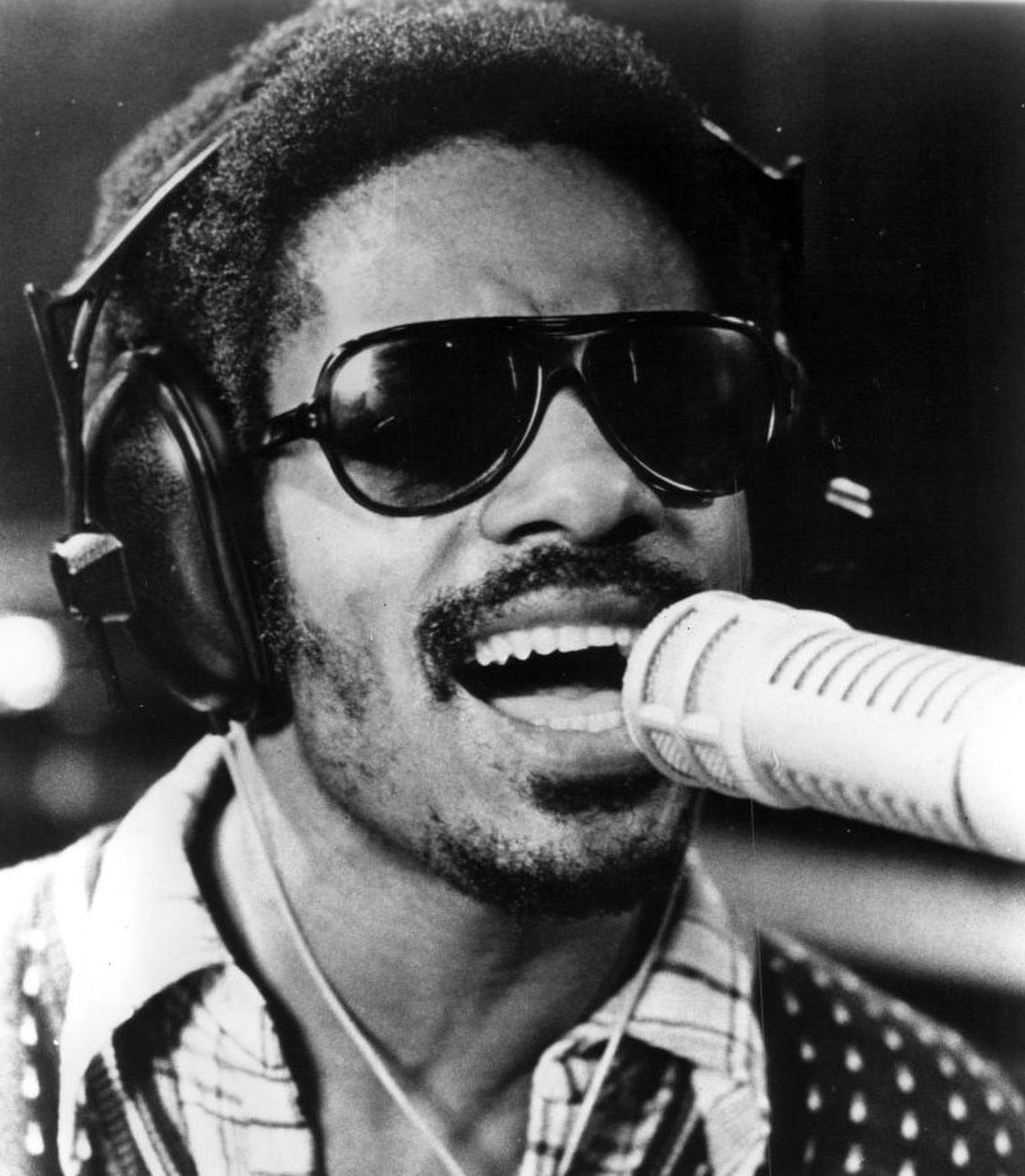
Barry White
Disco, Funk, Pop, Soul • Galveston, United States
Barry White
Early Life and Musical Beginnings
Barry Eugene White was born on September 12, 1944, in Galveston, Texas, to Sadie Marie Carter and Melvin A. White. His father's name ultimately appeared on his birth certificate, though his parents were never married. White grew up in the Watts neighborhood of South Central Los Angeles, where he developed an early passion for music by listening to his mother's classical music collection and teaching himself piano. A defining moment occurred at age 13 or 14 when his voice dramatically deepened, transforming from a normal child's pitch to the distinctive deep bass that would become his signature. At 16, White was jailed for four months for stealing $30,000 worth of Cadillac tires, but while imprisoned, he heard Elvis Presley's "It's Now or Never" on the radio—an experience he credited with changing his life's trajectory.
Career Development and Production Success
White's professional music career began in the early 1960s with various singing groups and small independent labels. Throughout the decade, he worked as a songwriter, session musician, and arranger, discovering and producing talents including Felice Taylor. His breakthrough came in 1972 when he produced the girl group Love Unlimited, whose soul ballad "Walkin' in the Rain with the One I Love" became his first million-selling single as a writer and producer. In 1973, White created The Love Unlimited Orchestra, a 40-piece orchestral ensemble that scored its own No. 1 hit with "Love's Theme."
Solo Stardom and Chart Dominance
Initially reluctant to perform as a solo artist, White was persuaded by producer Larry Nunes to record his own material, resulting in his 1973 debut album "I've Got So Much to Give." The album and its title track became immediate successes, launching White into superstardom. Throughout the 1970s, he dominated both R&B and pop charts with iconic hits including "Can't Get Enough of Your Love, Babe" (1974) and "You're the First, the Last, My Everything" (1974), both reaching No. 1. Other chart-toppers included "I'm Gonna Love You Just a Little More Baby," "Never, Never Gonna Give You Up," "What Am I Gonna Do with You," and "It's Ecstasy When You Lay Down Next to Me." His deep voice, romantic image, and lush orchestral arrangements earned him nicknames including "The Walrus of Love," "Dr. Love," and "Prince of Pillow Talk."
Later Career and Legacy
White left 20th Century Records in 1979 to launch his own label, Unlimited Gold, though the venture proved financially costly and was folded by 1983. As disco waned, his commercial success diminished, though he maintained a loyal following. A 1970s nostalgia revival in the 1990s revitalized his career, culminating in a Grammy-winning comeback with the album "The Icon Is Love" (1994) and the single "Practice What You Preach." His final album, "Staying Power" (1999), won two Grammy Awards at the 42nd Annual Grammy Awards in 2000. White recorded 20 studio albums during his career and achieved worldwide record sales exceeding 100 million, earning recognition as one of the best-selling music artists of all time. He died on July 4, 2003, at age 58 from kidney failure while awaiting a transplant.
Quotes
“As a child, I had a normal squeaky kid voice. Then as a teenager, that completely changed. My mother cried because she knew her baby boy had become a man.”
“I woke up one morning when I was 14. I spoke to my mother, and I scared both of us.”
Career Timeline
Hollywood Walk of Fame star
Posthumously awarded the 2,506th star on the Hollywood Walk of Fame on what would have been his 69th birthday
Dance Music Hall of Fame
Posthumously inducted into the Dance Music Hall of Fame on September 20, 2004
Final Grammy Awards
Won two Grammy Awards for "Staying Power" in Best Male R&B Vocal Performance and Best Traditional R&B Vocal Performance categories at 42nd Annual Grammy Awards
Published autobiography
Autobiography "Love Unlimited" written with Marc Eliot published by Broadway Books
Major collaborations
Recorded duet "In Your Wildest Dreams" with Tina Turner and appeared on Space Jam soundtrack with duet "Basketball Jones" with Chris Rock
Chart return to dominance
Released "The Icon Is Love" reaching No. 1 on Billboard R&B albums chart; single "Practice What You Preach" reached No. 1 R&B after nearly 20 years
1990s comeback
Released "Put Me in Your Mix" album reaching No. 8 on Billboard R&B Albums chart, signaling successful comeback during 1970s nostalgia revival
Mid-career resurgence
Released "The Man Is Back!" with three top 40 singles on Billboard R&B charts
Launched own label
Left 20th Century Records and founded Unlimited Gold label with CBS/Columbia Records
Chart dominance begins
Released two of his biggest hits "Can't Get Enough of Your Love, Babe" and "You're the First, the Last, My Everything," both reaching No. 1
Married Glodean James
Married the lead singer of Love Unlimited on July 4, 1974, collaborating on music together
Created The Love Unlimited Orchestra
Formed a 40-piece orchestral ensemble that scored No. 1 hit "Love's Theme" on the Billboard Pop charts
Solo album debut
Released debut solo album "I've Got So Much to Give," establishing himself as a solo artist despite initial reluctance
Discovered and produced Love Unlimited
Produced the girl group Love Unlimited, achieving his first million-selling single as a writer and producer with "Walkin' in the Rain with the One I Love"
Early group debut
Released first single "Too Far to Turn Around" as part of the Upfronts, marking the beginning of his professional music career